++Final project proposal: ‘Playing in My Closet’++
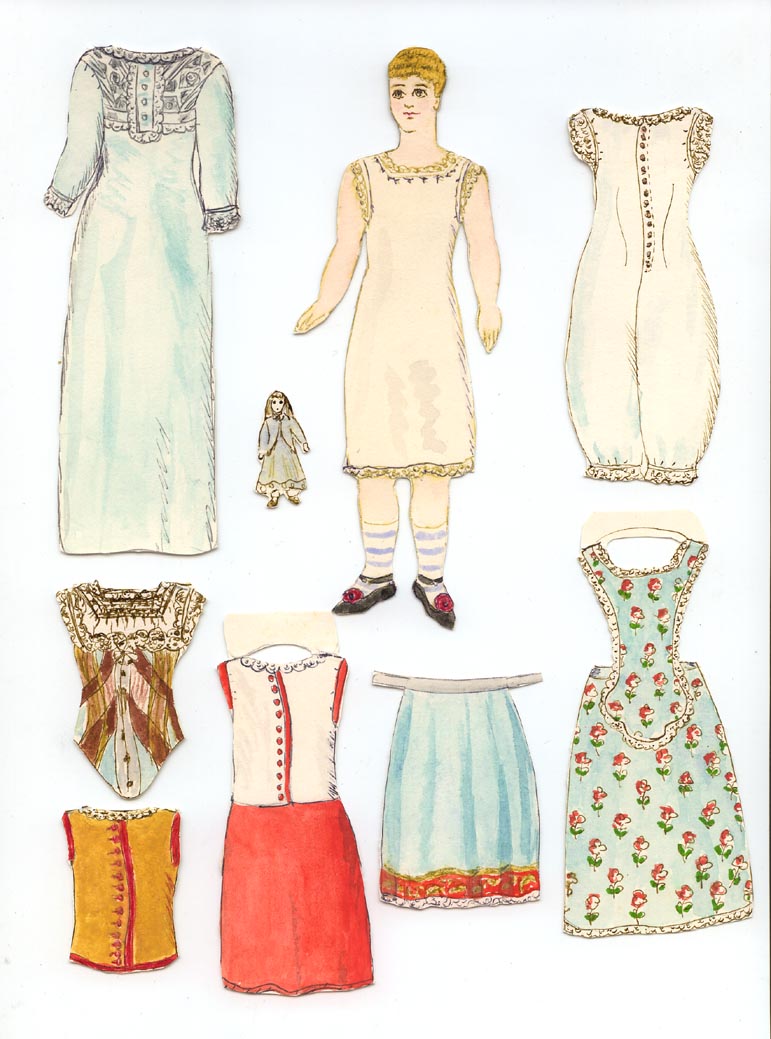
For this course I wish to integrate a work I have planned for a group exhibition I’m part of in February 2027. The work ‘Playing in My Closet’ is a five-part interactive installation that invites exhibition visitors to participate in a dress-up game. The theme of the exhibition originates from paper dolls and encourages viewers to engage in a familiar childhood activity: playing with clothes and creating outfits.
The planned installation consists of five figurative blocks, but for the course I was thinking of aiming to have two or three pieces so I can prototype and see how my idea turns out and evolves. Each featuring image-bearing surfaces woven with paper yarn and illuminated sides. The intention is to incorporate garment imagery into the work by transferring images into the woven surfaces, while integrating technical elements to emphasise the interactive nature of the installation. The blocks light up when a viewer assembles an outfit for themselves.
The work revolves around playful transformation: viewers can dress themselves as part of the installation, allowing the artwork to change and take on new, temporary forms. At its core, the work aims to make play and audience participation an integral part of the exhibition. My aim with this is to explore how technology can expand the expressive possibilities of material-based art and create new forms of participation and interaction.
A veeery rough visualisation…
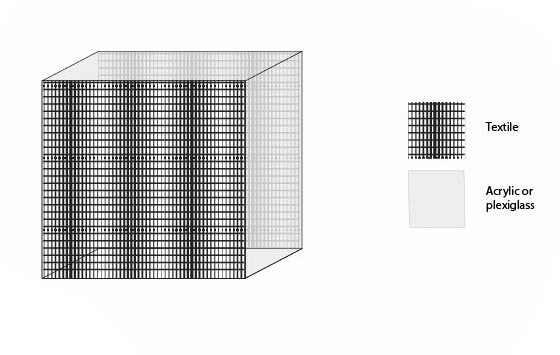
++Technical aspects for one piece:++
Block size: 70 x 70 x 20
Frame materials: woven paper and cotton yarn and acrylic or plexiglass
Components:
- LED strip
- microcontroller (Pico 2W)
- Hall effect sensors
- Magnets
- power supply 5 V
- 74AHCT125 logic level shifter (converting the voltage for the LED)
- 3-pin LED connector
- Resistor
- Wires
Attachment: Box joint for plexi, textile?
++Questions:++
Balance?
Internal attachments designs/options for the components that would stay in place with a lot of movement? But also easily accessed without damaging the work.
Is the half effect sensor the best option for a sensor in this case?
What about different output sequences for different interactions? Too complicated or would it enhance the interactivity of the installation?